
How Do Technical SEO Services Handle Duplicate Content?
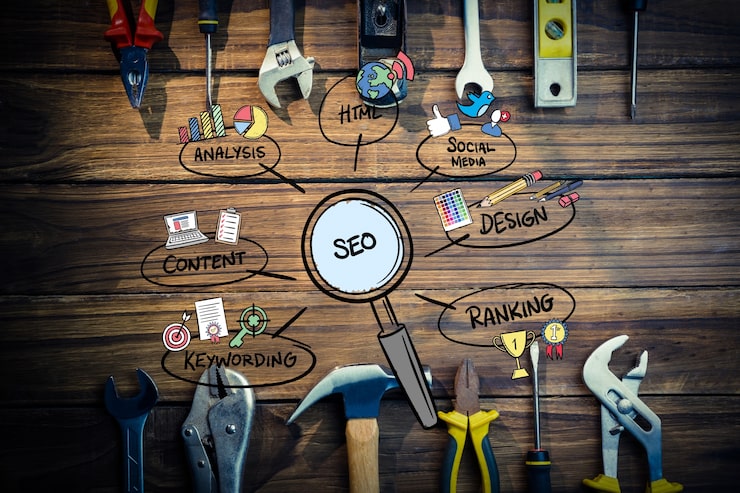
Duplicate content is a significant SEO challenge that can harm your website’s rankings, credibility, and user experience. It occurs when the same or very similar content appears on multiple pages within a site or across different domains. Search engines, including Google, often struggle to determine which version to index or rank. This can lead to diluted page authority, lower rankings, and a fragmented user experience. Businesses that use local SEO services can particularly benefit from managing duplicate content, as clean, well-structured websites enhance local visibility, improve crawl efficiency, and consolidate link equity. By implementing a strong technical seo service, duplicate content issues can be minimized, resulting in stronger performance across organic and local search results.
What Is Duplicate Content?
Duplicate content refers to blocks of content that appear in more than one location, either on the same website or across multiple domains. Internal duplicate content occurs when the same information is duplicated across pages of a single site, such as various product descriptions or service pages. External duplicate content occurs when material from your website is republished on other sites. Duplicate content can also arise due to URL parameter variations, printer-friendly pages, and session IDs. Regardless of the source, duplicate content confuses search engines, dividing authority among URLs, and can impede your website’s overall SEO performance. Understanding the source and type of duplication is critical for effective resolution and for maximizing the benefits of technical seo strategies.
Why Duplicate Content Is a Problem
Duplicate content affects both search engines and users. From an SEO perspective, it can dilute ranking signals, as backlinks may point to multiple URLs, reducing your site’s overall authority. Search engines may not know which page to prioritize, resulting in inconsistent or lower search rankings. Moreover, search engine bots may waste crawl budget on duplicate pages, leaving less time to index unique and valuable content. From a user perspective, repeated content can create a negative experience, as users may encounter the same information multiple times, leading to reduced engagement, trust, and conversions. For businesses aiming to enhance local SEO services, addressing duplicate content ensures that location-specific pages, product pages, and service offerings are properly ranked and indexed.
Causes of Duplicate Content
Several common causes contribute to duplicate content issues. URL parameters used for tracking or filtering can create multiple URLs with identical content. Dynamic session IDs and paginated content can result in duplicate content being served from different URLs. Multiple website versions, such as HTTP vs. HTTPS or www vs. non-www, can duplicate content if not properly redirected. Copying content across internal pages and syndicating it externally on other websites can also result in duplication. Identifying these causes allows technical SEO services to create targeted strategies to eliminate redundancy and optimize search performance.
How Technical SEO Services Identify Duplicate Content
Technical SEO professionals use a combination of automated tools and manual audits to identify duplicate content effectively. Site crawlers like Screaming Frog and Sitebulb can analyze a website’s structure and identify duplicate page titles, meta descriptions, and content. Google Search Console provides insights into indexing issues and duplicate meta tags. Tools such as Copyscape and Siteliner can detect duplicate content across different domains. Manual audits ensure that all content remains unique and relevant and confirm that technical fixes align with business goals. Accurate identification is essential to implementing targeted, efficient solutions that prevent SEO penalties and protect your website’s authority.
Strategies to Handle Duplicate Content
Once duplicate content is identified, technical SEO services apply a range of strategies to mitigate the issue.
Implement Canonical Tags
- Signals to search engines which page version is primary
- Consolidates ranking signals to the preferred URL
- Prevents authority dilution and preserves link equity
Canonical tags indicate the preferred version of a page. By consolidating ranking signals, canonical tags help ensure that search engines index the correct URL and give it priority in search results. This reduces the risk of diluted page authority and ensures that the intended page receives the full SEO benefit.
301 Redirects
- Redirect outdated or unnecessary pages to preferred URLs
- Consolidates traffic and link equity
- Enhances user experience by preventing dead ends
301 redirects permanently direct users and search engines to the preferred page. This is particularly useful for removing redundant pages or merging content. Redirects consolidate link equity, ensuring that all ranking power flows to the main page, and prevent users from encountering duplicated content.
Additional Technical Strategies
Beyond canonical tags and 301 redirects, several additional strategies help manage duplicate content. Applying noindex meta tags on pages that need to exist but should not compete in search rankings prevents search engines from indexing duplicates. URL parameter management guides search engines on how to handle variations, reducing internal duplication. Consistent internal linking ensures that the preferred URL is constantly referenced, helping search engines prioritize the correct pages. Creating unique content for pages that previously contained duplicates strengthens the site’s authority and improves engagement. Managing multiple versions of a site — HTTP/HTTPS and www/non-www — through proper redirects prevents fragmentation of page authority. For syndicated content, canonical tags or noindex directives ensure the original content maintains its SEO value.
Long-Term Benefits of Managing Duplicate Content
Effectively addressing duplicate content brings significant long-term advantages. Consolidated ranking signals improve overall search engine visibility and ensure that the correct pages are prioritized. Users benefit from encountering unique, relevant content, increasing engagement and satisfaction. Optimized crawl budgets allow search engines to index critical content efficiently, improving overall site performance. For businesses leveraging local SEO services, properly managing duplicate content ensures that location-specific pages rank accurately and reach the intended audience. Additionally, preserving domain authority and link equity strengthens the website’s overall SEO performance, contributing to sustainable growth.
Conclusion
Duplicate content poses serious challenges for SEO, affecting rankings, user experience, and site authority. Technical SEO services address these issues using canonical tags, 301 redirects, noindex meta tags, URL parameter management, consistent internal linking, and unique content creation. By implementing these strategies, businesses can enhance search engine rankings, optimize crawl efficiency, improve user engagement, and strengthen local SEO performance. Regular audits and proactive management of content duplication are essential for maintaining a healthy, high-performing website that achieves long-term SEO success, and a regular technical seo audit helps ensure these issues are identified before they damage performance.
FAQS
What is duplicate content?
Duplicate content refers to identical or very similar content appearing across multiple pages on the same site or different domains.
How does duplicate content affect SEO?
It can dilute page authority, reduce search rankings, waste crawl budget, and negatively impact user experience.
What tools detect duplicate content?
Tools include Screaming Frog, Sitebulb, Copyscape, Siteliner, and Google Search Console.
Can canonical tags fix duplicate content?
Yes, they indicate the preferred page version, consolidating ranking signals and improving indexing.
How often should businesses check for duplicate content?
Conduct audits every 3–6 months or after significant updates to ensure SEO performance remains strong.


