
How to Measure the Success of Digital Marketing Services
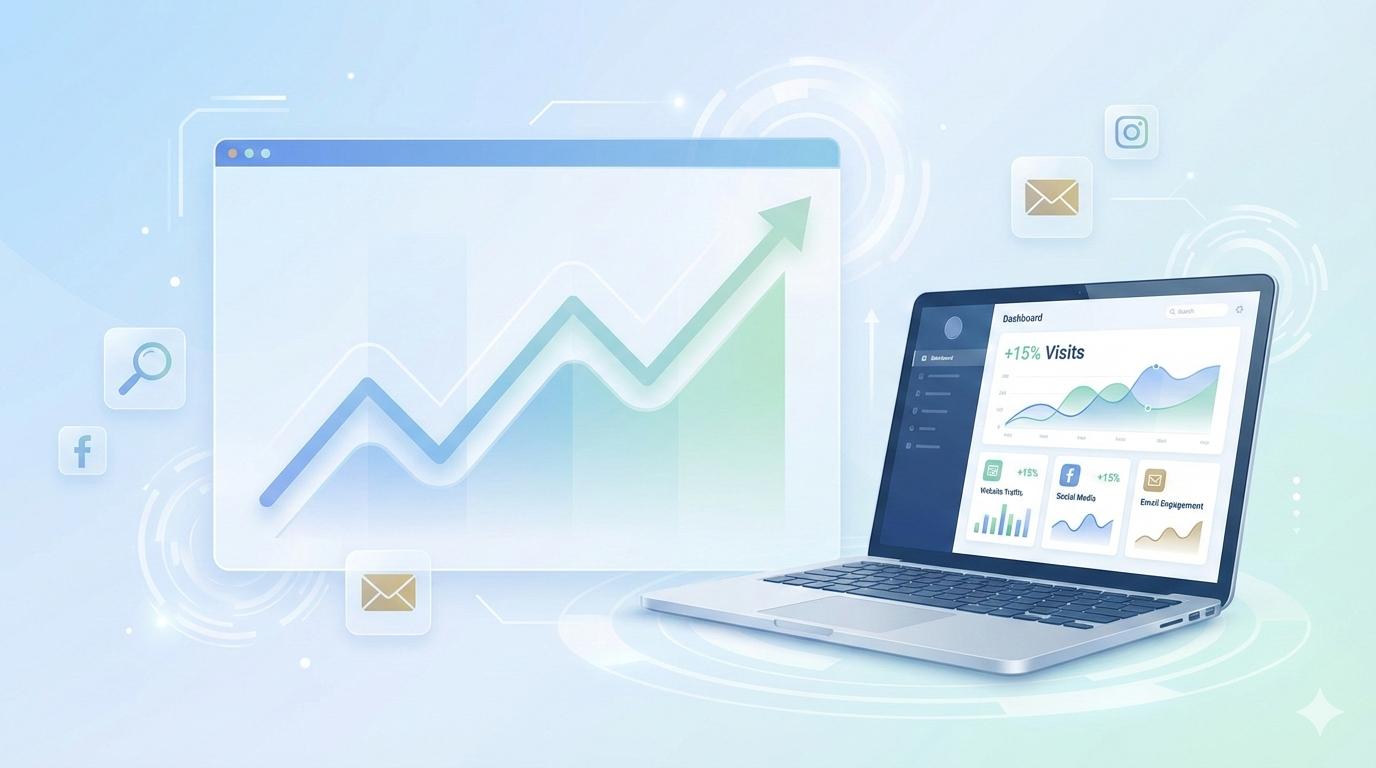
In today’s competitive digital landscape, businesses must ensure that their digital marketing efforts are delivering results. While executing digital marketing campaigns is essential, measuring their success is even more critical. Without measurement, it’s impossible to know if your marketing strategy is working or if adjustments need to be made. Whether you are using SEO, PPC, content marketing, or social media campaigns, tracking and analyzing performance allows businesses to optimize their strategies and maximize their return on investment (ROI). Investing in a professional digital marketing service ensures that these campaigns are implemented correctly and tracked effectively.
This blog will explore practical ways to measure the success of digital marketing services, highlighting key metrics, tools, and strategies for evaluating effectiveness.
1. Understanding the Importance of Measurement in Digital Marketing
The primary goal of digital marketing is to drive business growth—whether through generating leads, boosting sales, or improving brand awareness. However, achieving these objectives requires more than just running campaigns and hoping for the best. Measurement is the key to understanding whether your efforts are truly paying off.
By measuring digital marketing success, businesses can:
- Identify What’s Working: Measurement helps identify the specific strategies that are driving results, so you can focus on what works best.
- Optimize Campaigns: Real-time data allows businesses to tweak campaigns for better performance, ensuring the best results from your marketing spend.
- Justify Marketing Spend: By measuring ROI, businesses can demonstrate the value of their marketing budget to stakeholders and justify future spending.
- Improve Decision-Making: Data-driven insights lead to better decision-making, helping businesses refine strategies and improve performance continuously.
2. Key Performance Indicators (KPIs) in Digital Marketing
To measure the success of digital marketing services effectively, businesses need to identify the right Key Performance Indicators (KPIs). KPIs are metrics that help determine whether your digital marketing efforts are achieving the desired objectives. Different marketing channels require different KPIs, and tracking these allows businesses to assess their strategies.
Website Traffic (SEO, PPC)
- What to Measure: The number of visitors to your website, the pages they visit, and how long they stay.
- Why it Matters: Website traffic is a primary metric for SEO and PPC efforts. It reflects the visibility of your website and the effectiveness of your marketing campaigns in attracting an audience.
- How to Measure: Tools like Google Analytics track website traffic, page views, bounce rates, and more. A sudden increase in traffic, especially from organic search or paid ads, indicates that SEO or PPC efforts are succeeding.
Lead Generation (Content Marketing, Social Media)
- What to Measure: The number of leads captured through forms, subscriptions, or interactions.
- Why it Matters: Lead generation is one of the most important goals of content marketing and social media campaigns. Tracking the number of leads helps assess how well your content and social efforts are resonating with your target audience.
- How to Measure: Measure leads captured from specific campaigns through forms or tracking codes. Use CRM software or lead tracking tools to track conversions.
Social Media Engagement (SMM)
- What to Measure: Likes, shares, comments, click-through rates (CTR), and follower growth.
- Why it Matters: Social media engagement is an important KPI for social media marketing (SMM). High engagement indicates that your content is resonating with your audience and fostering brand loyalty.
- How to Measure: Social media platforms like Facebook, Instagram, LinkedIn, and Twitter provide built-in analytics tools to track engagement. Third-party tools like Hootsuite or Buffer offer more comprehensive analytics.
Email Open Rates and Click-Through Rates (Email Marketing)
- What to Measure: The percentage of recipients who open your email and click on the links within it.
- Why it Matters: High open rates and click-through rates indicate that your emails are effectively reaching your audience and encouraging action.
- How to Measure: Email marketing platforms like Mailchimp, Constant Contact, or HubSpot provide detailed reports on open rates, click rates, and conversions.
Sales and Revenue (PPC, SEO, Content Marketing)
- What to Measure: Direct sales or revenue generated from digital marketing efforts.
- Why it Matters: Ultimately, the success of digital marketing campaigns boils down to revenue generation. Whether it’s through paid ads, organic search, or content marketing, measuring the sales directly attributed to marketing efforts is crucial for understanding their effectiveness.
- How to Measure: Use tools like Google Analytics to track transactions and sales conversions. UTM tracking links in emails or ads can help determine which campaigns are driving revenue. Utilizing full service digital marketing services ensures all these KPIs are tracked consistently across campaigns and channels, providing a unified view of marketing performance.
3. Tools for Measuring Digital Marketing Success
A variety of tools are available to help businesses track and measure the success of their digital marketing campaigns. These tools provide insights into performance metrics and enable businesses to optimize their efforts.
Google Analytics
Google Analytics is one of the most powerful and widely used tools for tracking website traffic, user behavior, and conversions. It allows businesses to:
- Track the number of visitors, their behavior on the site, and conversions.
- Monitor traffic sources (organic, paid, referral, social).
- Set up goals to track specific actions (form submissions, purchases, etc.).
SEMrush / Ahrefs
These tools specialize in SEO performance, keyword rankings, and backlink tracking. They allow businesses to:
- Track the rankings of specific keywords.
- Analyze competitors’ SEO performance.
- Monitor backlinks and identify opportunities for link-building.
Hootsuite / Buffer
For social media analytics, Hootsuite and Buffer allow businesses to:
- Schedule and publish posts across multiple platforms.
- Track social media engagement, followers, and post performance.
- Monitor social conversations and mentions of the brand.
Mailchimp
Mailchimp is a popular email marketing tool that provides insights into:
- Email open rates and click-through rates.
- Subscriber growth and retention.
- A/B testing results to optimize email campaigns.
Google Ads / Facebook Ads Manager
These tools help businesses track the performance of their PPC campaigns by:
- Monitoring ad spend and cost-per-click (CPC).
- Analyzing click-through rates (CTR) and conversion rates.
- Adjusting bids and targeting to optimize ad performance.
Businesses that partner with experienced digital marketing service providers benefit from the expertise needed to integrate these tools effectively, ensuring data-driven decisions lead to measurable business outcomes.
4. Measuring ROI of Digital Marketing Services
Return on Investment (ROI) is one of the most important metrics for evaluating the success of any marketing strategy. It measures the profitability of your marketing efforts and helps justify marketing expenses.
How to Calculate ROI
Return on Investment (ROI) is one of the most important metrics for evaluating the success of any marketing strategy. It measures the profitability of your marketing efforts and helps justify your marketing spend.
To calculate ROI, subtract the total cost of your marketing efforts from the revenue generated by those efforts, and then divide the result by the marketing cost. The formula can be expressed as:
ROI = (Revenue from Marketing – Marketing Cost) / Marketing Cost
This calculation helps businesses determine whether the marketing campaigns are profitable or if the investment needs to be adjusted for better outcomes.
For PPC (Pay-Per-Click)
For PPC campaigns, calculating ROI is relatively straightforward. If you spend money on a PPC campaign, you can calculate the ROI by comparing the amount of revenue generated from the campaign to the cost of the ads.
For instance, if you spend $1,000 on a Google Ads campaign and the revenue generated from that campaign is $5,000, the ROI is calculated as follows:
- Subtract the cost of the campaign ($1,000) from the revenue ($5,000), which leaves $4,000.
- Divide the result ($4,000) by the cost of the campaign ($1,000), which equals 4. It means you made four times your initial investment, or 400% ROI.
This method helps businesses track the performance of their PPC campaigns and determine whether they are delivering a positive return.0% ROI
For SEO:
Tracking ROI from SEO is slightly more complex because organic traffic doesn’t have an immediate, direct revenue impact. However, businesses can calculate it by tracking leads, conversions, and long-term sales growth from improved rankings and organic traffic.
5. Tracking and Analyzing Website Metrics
Website metrics are some of the most essential indicators of digital marketing success. By monitoring website performance, businesses can assess how effectively they are attracting and retaining visitors.
Traffic Sources
Understanding where your traffic is coming from—whether organic search, paid ads, or social media—is crucial for measuring the success of different channels. If most of your traffic comes from SEO efforts, it’s an indicator that your content strategy and keyword optimization are working.
Bounce Rate
A high bounce rate suggests that visitors aren’t finding what they’re looking for on your website. It may indicate issues with user experience, poor content, or irrelevant traffic.
Pages Per Session
This metric tells you how many pages a user visits during a single session on your site. A high number of pages per session often indicates high engagement and interest.
Conversion Rate
A key metric for understanding how well your website is performing is the conversion rate—the percentage of visitors who complete a desired action (like filling out a form, signing up for a newsletter, or making a purchase).
6. Conversion Tracking and Attribution Models
Conversion tracking is critical for understanding the effectiveness of your digital marketing campaigns. By setting up conversion tracking in tools like Google Analytics or Facebook Ads Manager, businesses can determine which actions visitors take on the site—such as form submissions, purchases, or email sign-ups.
Attribution Models
Attribution models help businesses determine which touchpoints along the customer journey are most responsible for a conversion. Some common attribution models include:
- First-Touch Attribution: Credit is given to the first interaction the customer had with your brand.
- Last-Touch Attribution: Credit is given to the last interaction before the conversion.
- Linear Attribution: All touchpoints get equal credit for the conversion.
- Time-Decay Attribution: More credit is given to touchpoints closer to the conversion.
7. A/B Testing and Continuous Optimization
A/B testing is one of the most effective ways to measure digital marketing success. By testing two variations of a webpage, ad, or email, businesses can determine which version performs better.
Through continuous optimization, businesses can fine-tune their strategies by analyzing test results, improving campaign elements, and driving higher conversions over time.
8. Customer Feedback and Satisfaction Surveys
Customer feedback is an essential qualitative measure of success. Understanding your customers’ experiences through surveys, feedback forms, or Net Promoter Scores (NPS) provides valuable insights into how your digital marketing efforts are impacting your audience.
9. Long-Term vs. Short-Term Success Metrics
It’s important to differentiate between short-term and long-term success metrics:
- Short-Term Metrics: Immediate goals like click-through rates, lead generation, and social media engagement.
- Long-Term Metrics: These include brand awareness, customer loyalty, and lifetime customer value (CLV).
Both types of metrics are necessary for measuring the overall effectiveness of a marketing strategy.
10. Benchmarking Against Competitors
To fully understand how your digital marketing efforts are performing, it’s essential to compare your results with those of your competitors. Benchmarking tools like SEMrush, SpyFu, or SimilarWeb provide valuable data on how your digital marketing performance stacks up against others in your industry.
Conclusion
Measuring the success of digital marketing services is essential for understanding the impact of your efforts and making data-driven decisions. By tracking the right metrics, using powerful tools, and optimizing continuously, businesses can maximize their ROI and drive long-term growth. Whether you’re focused on SEO, PPC, content marketing, or social media, measurement allows you to refine strategies, justify marketing spend, and ensure the continued success of your digital marketing campaigns.


