
Social Media Marketing Strategies That Work in 2026
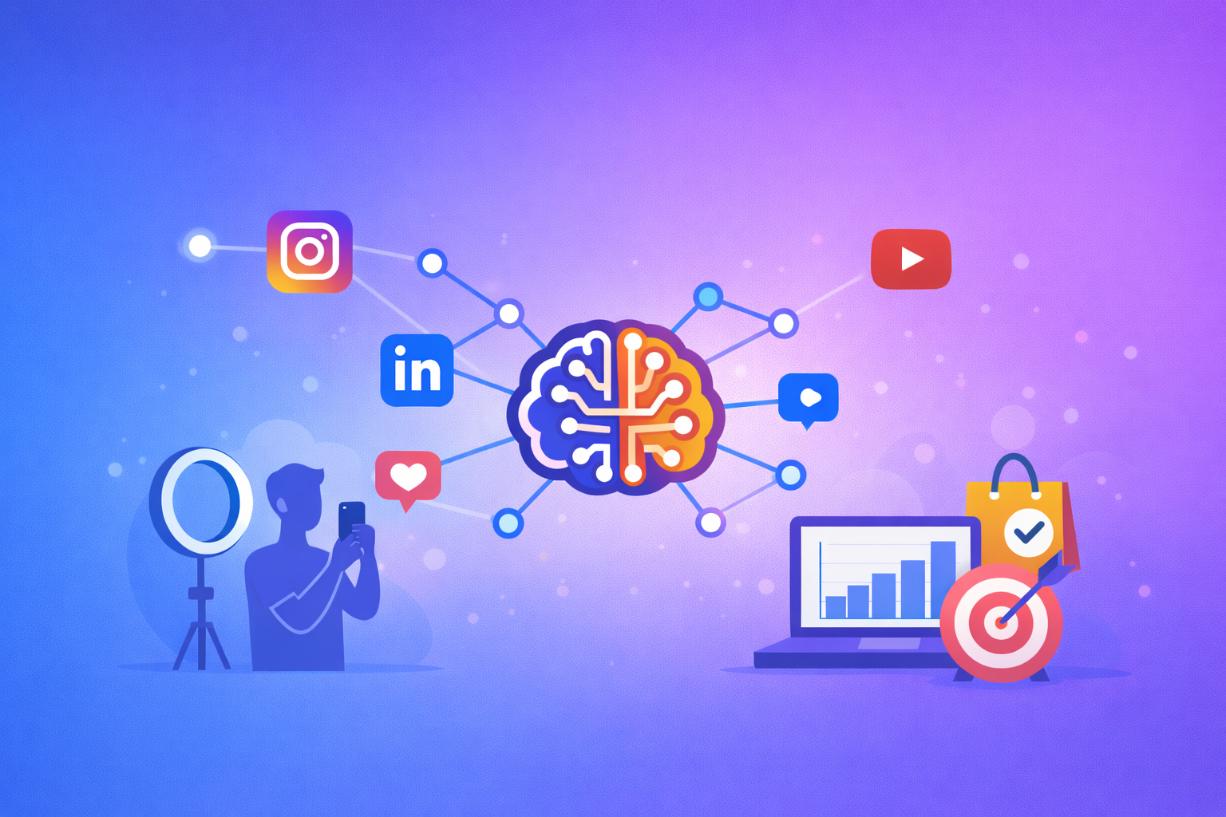
20 Social Media Marketing Strategies That Work in 2026
The digital landscape is evolving faster than ever, and businesses that fail to adapt their social media marketing strategies risk losing visibility, engagement, and revenue. In 2026, success on social platforms is no longer driven by frequent posting or trending hashtags alone. Algorithms now reward relevance, authenticity, and meaningful interaction.
Modern audiences are more informed and selective. They expect personalized content, quick value, and transparent communication from brands they follow. Whether you are a small business, service-based company, or IT firm, implementing the right Social Media Marketing Services determines whether your online presence generates real business growth or exists without impact.
This guide covers the 20 best social media marketing strategies for 2026 that help businesses increase engagement, generate leads, build trust, and achieve sustainable growth.
Why Social Media Marketing Strategies Must Change in 2026
Social platforms have transformed into full digital ecosystems where users discover brands, evaluate credibility, and make purchasing decisions. Algorithms prioritize content that sparks interaction, keeps users engaged longer, and helps businesses measure social media marketing ROI while delivering relevant value.
Audiences now ignore content that feels generic or overly promotional. Instead, they engage with brands that understand their needs and communicate authentically. Effective social media marketing strategies in 2026 balance data, creativity, personalization, and ethical use of AI. Businesses that evolve their approach gain stronger reach, higher engagement, and better ROI, while outdated tactics quickly lose effectiveness.
20 Best Social Media Marketing Strategies for 2026
1. Create Value-First Content
Value-first content is the foundation of modern social media marketing strategies. Instead of focusing on selling, successful brands prioritize educating, informing, and helping their audience. Content that answers questions, solves problems, or shares practical insights naturally builds trust and authority.
When businesses consistently provide value, audiences are more likely to engage, save content, and return for future updates. This behavior signals quality to algorithms and improves organic reach.
2. Dominate Short-Form Video
Short-form video remains the most powerful content format across major platforms. Reels, Shorts, and TikTok videos outperform static posts because they align with modern consumption habits.
Successful short-form videos focus on one clear message, hook viewers in the first few seconds, and deliver quick value. Captions play a vital role, as many users watch without sound. In 2026, short-form video is no longer optional—it is a core pillar of effective social media marketing strategies.
3. Use AI for Smarter Content Planning
AI tools help businesses analyze performance trends, predict optimal posting times, and generate content ideas. In 2026, AI enhances efficiency and insight, allowing marketers to make data-backed decisions faster.
However, AI does not replace human creativity. The most successful social media marketing strategies use AI for planning and optimization while humans handle storytelling, tone, and brand voice.
4. Personalize Content for Micro-Audiences
Personalization has become essential for engagement and conversion. Audiences respond better to content tailored to their location, industry, behavior, or interests.
By segmenting audiences into micro-groups, businesses can deliver highly relevant messaging that feels personal rather than generic. This approach improves engagement rates and strengthens emotional connections, making personalization a powerful component of social media marketing strategies in 2026.
5. Build Active Communities
Community building focuses on meaningful interaction rather than one-way communication. Brands that respond to comments, participate in discussions, and acknowledge feedback foster stronger loyalty.
Active communities create long-term value. When audiences feel heard and appreciated, they become repeat customers and brand advocates. Community engagement is now one of the most effective social media marketing strategies for sustainable growth.
6. Leverage User-Generated Content
User-generated content adds authenticity and credibility to your brand. Reviews, testimonials, and customer stories act as social proof, influencing purchasing decisions.
Sharing real experiences builds trust faster than branded content alone. It also reduces content creation pressure while strengthening relationships with existing customers.
7. Optimize for Social Search
Social platforms function as search engines, especially for younger audiences. Users search directly within Instagram, TikTok, and LinkedIn for solutions and recommendations.
Optimizing captions, bios, and hashtags helps content appear in search results. Social search optimization is now a critical part of social media marketing strategies in 2026.
8. Use Platform-Specific Content Strategies
Each platform serves a different purpose and audience. Content that works on TikTok may not perform the same on LinkedIn.
Successful brands adapt tone, format, and messaging for each platform rather than reposting identical content. Platform-specific strategies improve relevance and engagement.
9. Tell Stories That Humanize Your Brand
Storytelling creates emotional connections. Sharing behind-the-scenes content, business journeys, and customer success stories makes brands relatable and trustworthy.
Human-centered storytelling strengthens brand identity and increases long-term loyalty, making it a vital element of social media marketing strategies.
10. Maintain Consistent Posting
Consistency builds trust and algorithm visibility. Posting regularly without sacrificing quality keeps your brand visible and top-of-mind.
Consistency does not mean posting daily. A sustainable schedule focused on quality delivers better results than frequent low-value posts.
11. Invest in Strategic Paid Advertising
Organic reach continues to decline, making paid advertising essential. Strategic paid campaigns allow businesses to reach specific audiences, retarget website visitors, and accelerate growth.
Effective paid strategies include:
- Retargeting warm audiences
- Testing multiple creatives
- Optimizing ads for conversions
When aligned with organic efforts, paid advertising strengthens overall social media marketing strategies.
12. Collaborate with Niche Influencers
Influencer marketing now prioritizes relevance over reach. Micro and niche influencers often deliver higher engagement because of strong audience trust.
Collaborations with the right influencers help businesses reach targeted audiences authentically and cost-effectively.
13. Track Performance with Analytics
Analytics are essential for refining social media marketing strategies. Tracking engagement, reach, conversions, and audience behavior helps identify what works and what doesn’t.
Data-driven insights allow businesses to improve content, optimize campaigns, and allocate resources effectively.
14. Align Social Media with Business Goals
Every social media effort should support a clear objective, whether it is brand awareness, lead generation, or sales.
Alignment ensures social media contributes directly to measurable business outcomes rather than operating as a standalone activity.
15. Optimize Content for Mobile Users
Most users consume social content on mobile devices. Vertical formats, fast-loading visuals, and concise messaging improve user experience and engagement.
Mobile-first optimization is essential for modern social media marketing strategies.
16. Build Authority Through Educational Content
Educational content positions your brand as an expert. Tutorials, guides, and industry insights increase saves, shares, and trust.
Authority-driven content delivers long-term value by attracting audiences seeking reliable information.
17. Showcase Social Proof
Social proof influences decisions. Reviews, testimonials, and case studies reassure potential customers and shorten the buying journey.
Sharing proof of results strengthens credibility and supports conversion-focused social media marketing strategies.
18. Focus on Long-Term Trust
Trust drives sustainable growth. Transparent communication, consistency, and authenticity build strong relationships with audiences.
Trust-focused social media marketing strategies lead to higher customer lifetime value and referrals.
19. Automate Scheduling and Reporting
Automation tools improve efficiency by handling repetitive tasks such as scheduling and reporting. It allows teams to focus on strategy and creativity.
Automation supports scalability without sacrificing quality.
20. Test, Optimize, and Improve Continuously
Social media is constantly evolving. Continuous testing of content formats, captions, posting times, and ads ensures long-term success.
Businesses that adapt quickly maintain a competitive edge.
Common Social Media Marketing Mistakes to Avoid in 2026
Many businesses still rely on outdated practices such as focusing only on follower growth, ignoring analytics, inconsistent posting, or overly promotional content. Avoiding these mistakes improves engagement, conversions, and overall performance.
Conclusion
By implementing these 20 proven strategies, brands can transform social media into a powerful engine for engagement, lead generation, and long-term authority in an increasingly competitive digital world.
FAQs:
What are the best social media marketing strategies for 2026?
The best strategies include short-form video, personalization, community engagement, AI-powered insights, and value-driven content.
Is social media marketing still effective in 2026?
Yes, when aligned with modern strategies and clear business goals, social media marketing remains highly effective.
How often should businesses post on social media?
Most businesses perform well by posting three to five high-quality posts per week consistently.
Can small businesses compete with larger brands?
Yes, small businesses can compete by targeting niche audiences and delivering authentic, high-value content.
Does AI replace human marketers?
No, AI supports efficiency and data analysis, while humans lead creativity, strategy, and storytelling.


