
How to Run Effective Social Media Campaigns on a Budget
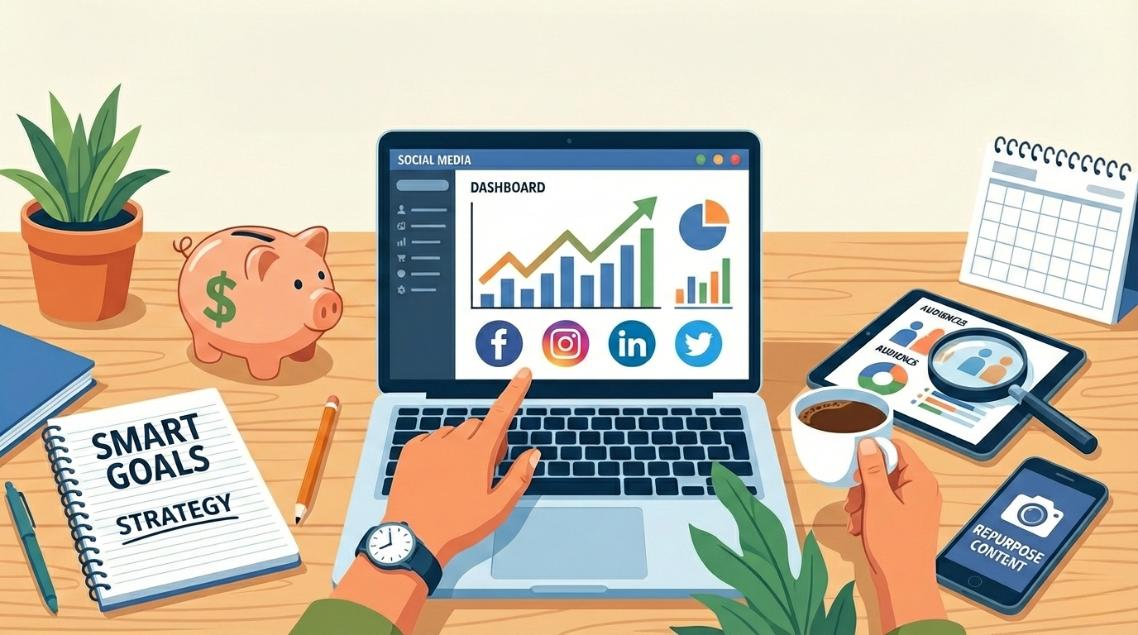
In today’s digital age, social media is one of the most powerful tools for businesses to connect with their target audience, increase brand visibility, and drive sales. However, many small businesses and startups often feel that social media marketing is an expensive endeavor, especially when they have limited resources. The good news is that you don’t need a massive budget to run successful social media campaigns. With the right strategies, creativity, and a bit of effort, even businesses with modest marketing budgets can achieve remarkable results.
This blog will provide you with practical, budget-friendly tips to help you run effective social media campaigns without breaking the bank.
1. Set Clear, Achievable Goals
Why It’s Important:
Without clear goals, it’s easy to get lost in the noise of social media, wasting time and resources on initiatives that don’t lead to meaningful results. Campaigns without direction often fail to deliver the desired outcomes, leaving businesses frustrated and wondering where their investment has gone.
Actionable Tips:
- Define SMART Goals: Make your goals Specific, Measurable, Achievable, Relevant, and Time-bound. For example, instead of simply aiming for “more followers,” set a goal like “Increase Instagram followers by 20% in 3 months.”
- Focus on a Few Key Objectives: It’s better to focus on one or two goals, such as brand awareness, lead generation, or sales conversions, rather than spreading yourself thin.
- Track Your Progress: Use tools like Google Analytics, Facebook Insights, or Twitter Analytics to monitor your campaign’s performance against your goals.
By setting clear goals, you will know exactly what you’re aiming for and can tailor your content and strategies accordingly to achieve those goals on a budget.
2. Know Your Audience
Targeting the right audience is crucial when working with a limited budget. One of the most common mistakes businesses make is running ads or posting content without understanding their target audience, resulting in wasted resources.
Why It’s Important:
If you don’t know who you’re speaking to, your message will fall flat, and your budget will be spent on reaching people who aren’t likely to engage with your brand. Understanding your audience ensures that your content is relevant and speaks to their needs and desires.
Actionable Tips:
- Utilize Social Media Insights: Every central social media platform provides built-in analytics that give insights into the demographics, interests, and behaviors of your followers. Use this data to identify the audience that is most likely to respond to your content.
- Create Detailed Buyer Personas: Take the time to map out your ideal customer by considering their age, location, occupation, interests, pain points, and buying habits. It will help you tailor your content and ads to appeal to the right people.
- Test Audience Segments: Platforms like Facebook and Instagram allow you to create different audience segments. Start with small budget tests for each segment to see which group responds best to your content.
Understanding your audience ensures that your campaign is focused, increasing the chances of engagement and conversions while keeping your costs down.
3. Leverage Organic Reach Before Paid Ads
One of the most significant advantages of social media is the ability to grow your brand organically without incurring any expenses. Before investing in paid ads, focus on building your organic reach by creating content that attracts attention and encourages sharing.
Why It’s Important:
Organic growth allows you to engage with your audience authentically, which can lead to higher trust and long-term relationships. Paid ads are a great tool, but when you have a limited budget, organic content should be your priority.
Actionable Tips:
- Create High-Quality Content: Focus on producing content that provides value to your audience. It could be in the form of informative blog posts, videos, infographics, or tutorials that solve problems or answer common questions in your industry.
- Engage with Your Audience: Respond to comments, ask questions, and start conversations with your followers. Engagement increases organic reach, as social media algorithms favor posts with higher interaction rates.
- Use Hashtags Strategically: Hashtags are a powerful tool for boosting organic reach. Utilize relevant and trending hashtags to ensure your content reaches people who are genuinely interested in your topic.
- Encourage User-Generated Content (UGC): Ask your followers to share their own experiences with your products or services. User-generated content not only increases engagement but also acts as free social proof for your brand.
Building organic reach before turning to paid ads enables you to create a loyal and engaged following while keeping your costs low.
4. Utilize Low-Cost Ad Options
When you’re ready to dip your toes into paid social media advertising, there are several low-cost ad options available that can still drive significant results. These ads can be highly targeted and offer great ROI if executed correctly.
Why It’s Important:
Social media advertising can be very cost-effective when done correctly. With precise targeting, small businesses can run ads on a budget without wasting money on irrelevant audiences.
Actionable Tips:
- Start Small: Begin with a modest budget to test your ads and determine which type of content resonates most effectively with your audience. Platforms like Facebook and Instagram allow you to set your daily budget and test ads without committing to large sums of money.
- Utilize Precise Targeting: Social media platforms offer detailed targeting options, including location, age, interests, and even behaviors. Take advantage of these options to reach only the people who are most likely to engage with your campaign.
- Focus on Retargeting: Retargeting ads enable you to reach individuals who have already interacted with your brand, such as website visitors or social media users. It is a cost-effective way to nurture leads and increase conversions.
- Boost Existing Posts: Instead of creating entirely new ads, consider boosting high-performing organic posts to increase their reach and engagement. This approach is typically more cost-effective and can expand the reach of content that already resonates with your audience.
By starting with low-budget, targeted ads and gradually optimizing your campaigns, you can maximize your social media marketing investment.
5. Repurpose Existing Content
Creating new content from scratch can be time-consuming and expensive. Instead of constantly coming up with fresh content ideas, repurpose existing content in different formats to get more mileage out of what you’ve already created.
Why It’s Important:
Repurposing content allows you to save time and money while ensuring that your message reaches a broader audience. It’s a great way to maximize the ROI on your content creation efforts.
Actionable Tips:
- Turn Blog Posts into Social Media Posts: Break down longer blog posts into smaller, bite-sized posts for social media. Pull key quotes, stats, or tips from your articles and share them as individual posts.
- Create Infographics: Utilize tools like Canva or Piktochart to transform detailed blog posts or research into visually appealing, shareable infographics.
- Repurpose Videos: If you’ve created a long-form video, cut it into shorter clips and post them across different platforms. You can also create GIFs or highlight reels to repurpose the content.
- Update Old Content: Refresh and update older content with new information and re-share it. It can give your audience access to valuable information without the need for constant content creation.
Repurposing content ensures that your social media channels remain active without requiring excessive time or financial investment.
6. Use Influencer Marketing with Micro-Influencers
Influencer marketing doesn’t have to be reserved for large brands with big budgets. Micro-influencers—individuals with smaller but highly engaged audiences—can be a cost-effective way to promote your products or services.
Why It’s Important:
Micro-influencers often have more authentic relationships with their followers. Because their audience is smaller, they tend to have a higher engagement rate. Collaborating with them can yield excellent results without the hefty price tag of working with top-tier influencers.
Actionable Tips:
- Identify Relevant Micro-Influencers: Look for influencers in your niche who have an engaged following, even if it’s smaller. Their influence can have a significant impact on your campaign at a fraction of the cost.
- Offer Product Samples or Services: Instead of paying influencers a hefty fee, offer them free products or services in exchange for a post or mention. Many micro-influencers are open to this type of collaboration.
- Focus on Long-Term Relationships: Build long-lasting partnerships with micro-influencers, rather than pursuing one-off deals. This can lead to more authentic promotions over time.
Partnering with micro-influencers can expand your reach and build trust with potential customers without overspending on influencer marketing.
7. Monitor and Optimize Campaign Performance
Once your campaign is up and running, it’s essential to keep a close eye on its performance. Without constant monitoring and adjustments, even the best-laid plans can fall short of expectations.
Why It’s Important:
Campaigns that aren’t optimized may end up wasting your limited budget on ineffective strategies. By continually analyzing performance, you can make informed, data-driven decisions to improve your results and allocate resources more efficiently.
Actionable Tips:
- Utilize Analytics Tools: Leverage the built-in analytics tools on platforms like Facebook, Instagram, and Twitter to track key metrics, including engagement, reach, click-through rates, and conversions.
- A/B Test Your Ads: Experiment with different versions of your ads (copy, images, headlines) to determine which performs best.
- Refine Based on Data: Adjust your strategy based on the data you gather. If certain posts or ads aren’t working, tweak your targeting, content, or timing.
Continuous monitoring and optimization help ensure that your campaigns remain effective and your budget is utilized wisely.
Conclusion
Start small, optimize as you go, and watch your social media marketing efforts deliver significant results!
FAQ’s:
1. How can I run a successful social media campaign with a small budget?
Focus on setting clear goals, understanding your audience, and leveraging organic reach. Start small with low-cost ads, repurpose content, and collaborate with micro-influencers to maximize results without overspending.
2. What are SMART goals, and why should I use them in my campaigns?
SMART goals are Specific, Measurable, Achievable, Relevant, and Time-bound. They help you define clear, actionable objectives, ensuring your campaigns are focused and effective.
3. How can I increase my organic reach without spending money on ads?
Create high-quality, engaging content that provides value, utilize relevant hashtags, encourage user-generated content, and actively engage with your audience to boost your organic reach.
4. How do I find affordable influencers for my campaign?
Look for micro-influencers with smaller, highly engaged audiences in your niche. You can offer them free products or services in exchange for promoting your brand at a lower cost than larger influencers.
5. How can I measure the success of my budget-friendly campaign?
Utilize the analytics tools provided by social media platforms to track key metrics, including engagement, reach, click-through rates, and conversions. Regularly monitor and optimize your campaigns based on this data to ensure optimal performance.


