
Top 5 Social Media Marketing Mistakes to Avoid
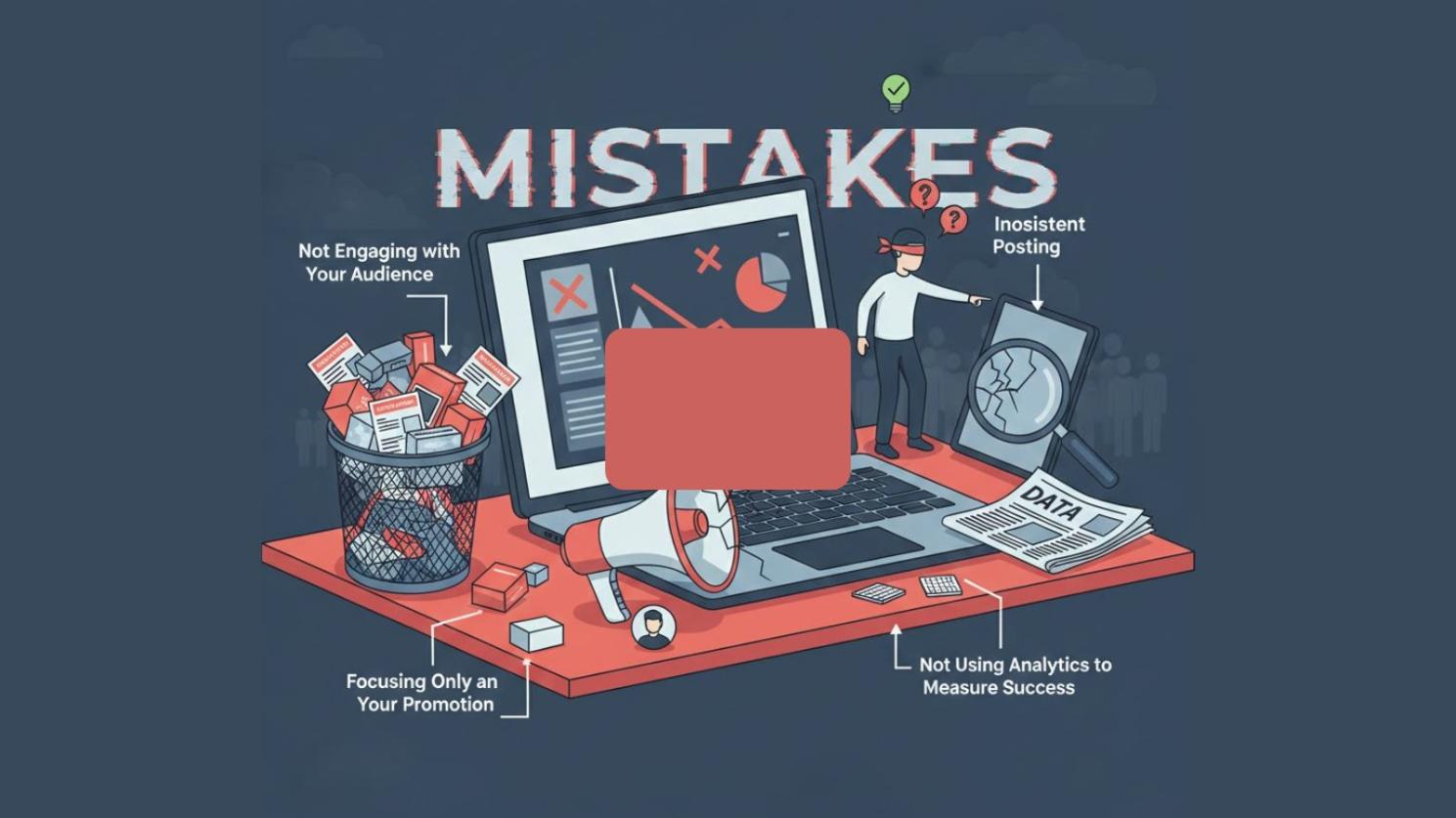
In today’s fast-paced, digital world, social media has become the cornerstone of most businesses’ marketing strategies. Whether you’re a startup, a small business, or an established brand, social media is essential for driving engagement, building brand awareness, and fostering meaningful connections with your audience. While many companies invest in Social Media Marketing Services, they still fall into common traps when it comes to social media marketing, and these mistakes can cost you time, money, and opportunities. In this post, we’ll take a deep dive into the top five social media marketing mistakes to avoid, helping you refine your strategy for better results.
1. Ignoring the Target Audience
The Mistake: Not Understanding Your Audience
It’s easy to think that your message will resonate with all social media users. Still, in reality, each platform has its own unique user base with different behaviors, interests, and demographics. A one-size-fits-all approach doesn’t work.
Consequences of Ignoring Your Target Audience:
- Wasted Resources: Without targeting the right people, your campaigns will be less effective, leading to a poor ROI.
- Low Engagement Rates: Your posts might not receive the likes, comments, or shares you’re hoping for because they aren’t resonating with the right audience.
- Reduced Conversions: If you aren’t speaking to the needs and interests of your ideal customer, it’s unlikely they’ll take the next step to purchase or engage with your brand.
Solution: Know Your Audience Inside Out
To avoid this mistake, it’s crucial to conduct in-depth audience research. It means understanding who your ideal customers are, what problems they face, and what kind of content they consume. Here’s how you can get started:
- Create Buyer Personas: Develop detailed profiles that represent your target audience. Include demographics, interests, pain points, and buying behaviors.
- Use Analytics Tools: Social media platforms like Facebook, Instagram, and Twitter provide rich analytics data. These insights can help you identify who’s engaging with your posts and what type of content is working.
- Conduct Surveys and Polls: Direct feedback from your followers or customers can give you valuable insights into their preferences and needs.
By understanding your audience better, you can tailor your messaging to resonate more deeply with them, leading to improved engagement and conversions.
2. Inconsistent Posting
The Mistake: Posting Sporadically or Too Frequently
Consistency is key when it comes to social media marketing. A significant mistake businesses make is posting irregularly. Some companies post content once every few days, while others may bombard their audience with posts all at once. Both approaches can be damaging to your strategy.
Posting too infrequently can make your brand forgettable, while posting too often can overwhelm your followers. Both scenarios lead to poor engagement and lower brand visibility.
Consequences of Inconsistent Posting:
- Lost Visibility: Social media algorithms favor consistent and regular activity. If you post sporadically, you risk falling off your audience’s radar.
- Unengaged Audience: When your audience is unsure of when to expect content, they may stop following your account or engaging with your posts.
- Brand Inconsistency: Irregular posting can create a sense of unreliability, leading to a lack of trust from your audience.
Solution: Develop a Consistent Posting Schedule
Creating a consistent posting schedule is vital to maintaining an active and engaged audience. Here’s how you can stay consistent:
- Content Calendar: Plan Your Posts with a Content Calendar. It will help you maintain a regular cadence while allowing for flexibility when necessary.
- Use Scheduling Tools: Tools like Buffer, Hootsuite, and Later can help you schedule posts in advance. These tools enable you to plan content and publish it automatically at your scheduled times.
- Post Frequency: Aim for a frequency that works for your audience and platform. For example, Instagram may require daily posts or stories, while LinkedIn posts may be less frequent, such as three to four times a week.
By sticking to a consistent posting schedule, your audience will know when to expect new content, keeping them engaged and interested in your brand.
3. Focusing Only on Promotion
The Mistake: Over-Promotion of Products and Services
Social media is a platform for conversation and connection—not just sales. Many brands make the mistake of focusing too heavily on promotion, constantly posting about their products or services, which can be overwhelming for consumers. While it’s essential to showcase your offerings, over-promoting can alienate your audience and reduce engagement.
When your feed is filled only with promotional content, followers can feel like they’re being constantly sold to, which can lead to disengagement or even unfollowing.
Consequences of Focusing Only on Promotion:
- Decreased Engagement: People follow brands for content that interests, entertains, or educates them—not just to be sold to. If all you do is promote, your posts may receive little to no engagement.
- Unfollowed Accounts: Over time, followers may unfollow your account if they feel like the relationship is one-sided or overly transactional.
- Missed Opportunities for Community Building: Social media is an opportunity to build a relationship with your audience, not just push sales. Failing to consider this aspect of engagement means missing out on long-term customer loyalty.
Solution: Provide Value Through Content
To avoid the pitfall of over-promotion, follow the 80/20 rule: 80% of your posts should provide value to your audience. In contrast, only 20% of the content should be promotional. Value-driven content could include:
- Educational Content: Share tips, how-tos, industry insights, or anything that helps your audience solve a problem.
- User-Generated Content (UGC): Share photos, testimonials, and reviews from customers to build trust and showcase your brand’s value.
- Behind-the-Scenes: Give your audience a sneak peek into the day-to-day workings of your business, or introduce your team members to humanize your brand.
By focusing on providing value, you can build trust and a deeper connection with your audience while still promoting your business in a non-intrusive way.
4. Not Engaging with Your Audience
The Mistake: Ignoring Interactions and Feedback
Social media is a two-way street. A common mistake businesses make is failing to engage with their audience. Simply posting content and waiting for likes or shares isn’t enough. Social media is all about interaction—responding to comments, liking posts, and even engaging in conversations. When you ignore your followers or fail to acknowledge their feedback, you miss valuable opportunities to build relationships.
Consequences of Not Engaging with Your Audience:
- Decreased Trust: Followers will perceive your brand as unapproachable or disconnected if you don’t interact with them.
- Missed Opportunities: Ignoring feedback, whether it’s positive or negative, means you’re missing out on the chance to learn, improve, and create a loyal community.
- Lower Engagement Rates: The more you engage with your followers, the more they will engage with you. Ignoring them could lead to a downward spiral of engagement.
Solution: Foster Two-Way Communication
Engagement is one of the most potent ways to build community and trust on social media. Here’s how to improve your engagement:
- Respond to Comments and Messages: Make sure to reply to both positive and negative comments. Acknowledge your followers’ feedback and questions.
- Encourage Conversations: Ask open-ended questions, run polls, and encourage your followers to share their thoughts and experiences.
- Monitor Mentions: Keep track of your brand mentions on social media and respond when someone tags or mentions you.
By engaging with your audience regularly, you create a stronger relationship that can lead to increased loyalty and advocacy for your brand.
5. Not Using Analytics to Measure Success
The Mistake: Ignoring Data and Analytics
The final mistake many businesses make is neglecting to use data to assess the effectiveness of their social media efforts. Social media marketing without analytics is like navigating without a map—you might reach your destination, but it’s far from the most efficient route. Still, it’s not the most efficient way to do so. Still, it’s not the most efficient way to do so. Still, it’s not the most efficient way to do so. Still, you’re not sure if it’s the right place. Tracking key performance metrics allows you to understand what’s working, what’s not, and where to make improvements.
Consequences of Not Using Analytics:
- Wasted Budget: Without data to guide your decisions, you could be spending money on ineffective ads or content.
- Missed Optimization Opportunities: Without tracking performance, you’re unable to adjust your strategy to achieve better results.
- Lack of Direction: Without analytics, you’re operating blind, with no clear way to measure success or failure.
Solution: Leverage Analytics for Continuous Improvement
To avoid this mistake, ensure that to check the performance of your content and campaigns regularly. Here’s how:
- Use Platform Insights: Most social media platforms have built-in analytics tools (e.g., Facebook Insights, Instagram Analytics). Use these to track engagement, reach, impressions, and audience demographics.
- Monitor Engagement Metrics: Focus on key metrics such as likes, shares, comments, and click-through rates to gauge how well your content resonates with your audience.
- Use Google Analytics: To track website traffic generated from social media, Google Analytics can help measure key website metrics, including conversions and bounce rates.
By regularly analyzing your social media performance, you can optimize your content, improve engagement, and make data-driven decisions that lead to greater success.
Conclusion
Take some time to evaluate your current social media strategy and ask yourself: Are you targeting the right audience? Are you posting consistently? Are you offering more than just promotions? Are you engaging with your followers? Are you using data to guide your decisions? If not, now is the time to make those adjustments and start seeing better results.
FAQ’s:
Why is understanding my target audience crucial for social media marketing?
Understanding your target audience allows you to create content that resonates with their needs and interests. Proper audience segmentation ensures you’re not wasting resources. It helps you drive better engagement and conversions by speaking directly to the right people.
How often should I post on social media for optimal engagement?
Consistency is key. Aim for regular posting—ideally daily for platforms like Instagram and Facebook, but 2-3 times a week can be sufficient for LinkedIn and Twitter. Creating a content calendar and scheduling posts can help you maintain a balanced frequency without overwhelming your audience.
What type of content should I post on social media?
Focus on providing value to your audience. Share a mix of educational content, behind-the-scenes glimpses, user-generated content, and light-hearted posts. Only 20% of your content should be promotional. It creates a balanced and engaging social media presence that fosters relationships with your followers.
How can I improve engagement with my followers on social media?
Engage actively by responding to comments, messages, and mentions. Ask questions, run polls, and share user-generated content. Consistent interaction with your audience helps foster a sense of community and builds brand loyalty.
What metrics should I track to measure my social media success?
Focus on key performance indicators (KPIs) like engagement rate (likes, comments, shares), reach, impressions, click-through rates, and conversion rates. Utilize platform analytics and tools, such as Google Analytics, to measure the performance of your content and make data-driven decisions for improvement.


